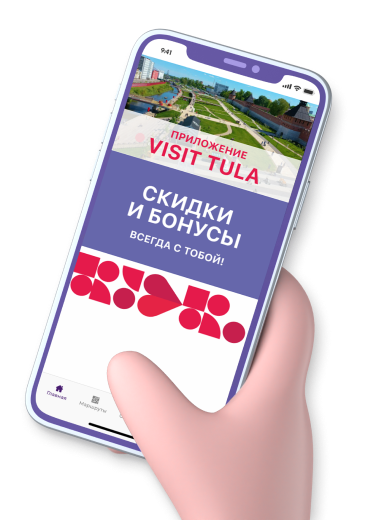
Из рассказов старшего поколения может сложиться впечатление, что Тула – город, в котором все живут в пряничных домиках, из окон которых бежит пар от труб начищенных самоваров, а во дворах играют на гармошках. Чтобы понять метаморфозы, которые произошли с Тулой за последние несколько лет, нужно в неё просто приехать, пройтись по обновленным улицам, и, расставшись с уютной зоной стереотипов, посмотреть на «оружейную столицу» с другой стороны: современные музеи, локальная кухня со своим характером, культурные и творческо-индустриальные кластеры, совершенно отлетевшая по своей красоте набережная и невероятный по атмосфере Белоусовский парк. Поверьте, городу-герою есть чем удивить, хотя без пряников и самоваров, конечно, не обойдётся. Важно, что Тула разная.
Представляем быстрый и удобный вариант маршрута для туристов, предпочитающих разбавлять историю прошлого современным подходом к экскурсиям.
Путешествуйте с нами!
Розничная сеть АЗС «Роснефть» сделает любое автопушествие комфортным. На автозаправочных комплексах компании для этого есть все необходимое: качественное топливо, уютные кафе с ароматным кофе и свежей выпечкой, полезные сопутствующие товары, высокий уровень сервиса и конечно хорошее нестроение, с которым вы отправитесь по дорогам России за новыми впечатлениями.
«Роснефть» — это крупнейшая розничная сеть АЗС в России с наибольшим географическим покрытием и занимает в большинстве регионов своего присутствия одну из лидирующих позиций. «Роснефть» выступает амбассадором развития внутреннего туризма в России. В компании реализуется комплексная программа популяризации автомобильного туризма в нашей стране.
Присоединяйтесь к программе лояльности «Семейная команда» и следите за персональными предложениями в личном кабинете.
Список АЗС "Роснефть"
Самое цитируемое общественное пространство Тулы (и абсолютно заслуженно). Казанская Набережная открылась в 2018 году. Название дано в честь храма Казанской иконы Божьей Матери, который исторически располагался здесь (теперь в здании бывшего храма располагается колледж).
Сейчас Набережная - самое популярное место в Туле, и только ленивый не написал о том, насколько набережная хороша. Да, и ленивый, откровенно говоря, тоже написал. Чтобы понять всю грандиозность преображения пространства начнём с небольшой истории. До 2017 года пространство вдоль реки Упы, занимаемое набережной, находилось в собственности Тульского Оружейного завода и было закрыто для посещения. Проще говоря, на пустыре за кремлевском стенами десятилетиями складировались отходы металла, строительный мусор, пластик, бочки и т.д. Естественно, канал реки Упы был не то, что загрязнён, в нём практически не было воды. Собственно и выхода-то на территорию со стороны кремля не было. В 2016 году началась масштабная реконструкция, канал реки был углублен, очищен (вывезено более 70 тонн мусора), проложены новые коммуникации, На берегу Упы разбили ландшафтный парк, сделали комфортный выход к воде. Наполнили пространство пешеходными мостами, прогулочными зонами, велодорожками, амфитеатром. Органично встроили спортивные и детские площадки, летние сцены и лекторий, кафе. За преображение отвечало архитетурное бюро Wow House. В 2018 году, ко Дню города (спустя всего полтора года) Набережная приняла первых посетителей, к слову, в день открытия пространство посетило больше 180 тысяч человек. Сейчас уже кажется, что Казанская набережная была у Тулы всегда, настолько естественно она вписалась в ткань города. При всей красоте набережной нужно отдать должное, что она не оттянула на себя внимание горожан и туристов от архитектурных доминант, расположившихся вокруг (Кремль, Музейный квартал), а наоборот их подчеркнула.
Когда-то улица называлась Пятницкой и была одной из самых богатых улиц города. На ней строили себе дома знаменитые тульские купеческие династии. Здесь же они размещали свои производства и торговлю: начиная от пряничных и заканчивая свечной лавкой. После 1917 года улица несколько утратила свой престижный статус, здания особняков оказались переданы под советские общественные организации и под жилые квартиры. Так в начале 20 века, в доме №5 некогда принадлежавшим купцам Фитцевым, образовалось общество, где проводили собрания члены Тульского отделения Московского общества по обработке металлов (Союза металлистов). В честь этого союза улица и получила своё современное название. В течение десятилетий улица теряла свою красоту, архитектурный облик и к началу 21 века оказалась вне городских туристических маршрутов. В 2014 году началась реставрация пространства улицы, но основные работы по возвращению Металлистов к первоначальному облику осуществлены после 2018 года.
Сейчас улица Металлистов - единственная пешеходная улица (из известных нам) в Туле, на которой расположились музеи, рестораны, мастерские, чайные, кофейни, сувенирные лавки и пряничные. Второе название улицы – «Музейный квартал». Уже сейчас здесь открыли свои двери филиал Государственного исторического музея, пространство «Археология и реставрация» музея «Куликово поле», музей советской игрушки, музей декоративно-прикладногоискусства, усадьбы Василия Дмитриевича Поленова — Центр Семейной Истории, «Ясной Поляны» — «Л.Н.Т.» и другие. По пятницам здесь обязательно встретишь друзей, которые явно нацелены уйти в ночь и подхватить тебя искать «светлую юность». Сохранившая историю на фасадах, прошлое во двориках, уже полюбившаяся местным и гостям, она, пожалуй, пока не Тульское «сердечко», как Покровка для Нижнего или Баумана для Казани, но вскоре точно будет. Дайте немного времени.
Адрес: Тульский Кремль, ул. Менделеевская 12В
Первоначально станция, построенная в 1864 году, включала в себя лишь помещения начальника, кассы и зал ожидания, но в начале XX века перрон обрел аккуратный вид, появилась платформа, багажное отделение и погреб. Отсюда Лев Николаевич и члены его семьи отправлялись в Москву по делам. Сюда приходили письма писателю. На станции «Козлова засека» выходили известные гости Толстого: Страхов, Репин, Шишкин и др. В 1910 году траурный поезд с телом Льва Николаевича прибыл в «Козловку» со станции Астапово.
Сегодня станция-музей «Козлова засека» хранит истории о писателе, предметы работников железной дороги и ее пассажиров времен Российской Империи. Гости могут познакомиться с экспозицией, воспользовавшись экскурсией «Железная дорога Льва Толстого». На территории вокзального комплекса есть буфет, сувенирная лавка и служба проката исторических костюмов. Нарядившись в дорожные костюмы XIX века, гости могут сделать фотографии, которые будет сложно отличить от дореволюционных. Ухоженная территория, лавочки, деревянные ограды, кованые элементы декора усилят этот эффект.